Over 1700 bird species and 20% are endemic to Ecuador, shouldn’t this be enough reason to come with us?
Land Birds Peak Season
For us, birding or birdwatching isn't just about a checklist; it's about contributing to our understanding of birds’ ecology so they can thrive for years to come.
Ecuador is a year-round birding destination; however, from November to February, Ecuador’s Coastal region transitions from the dry to the wet season. This means greater opportunities to spot birds and watch them at their most active, as the mating and nesting season begins.
However, this period also brings birds together at water bodies such as ravines and streams, making birding joyful and relaxing at the same time.
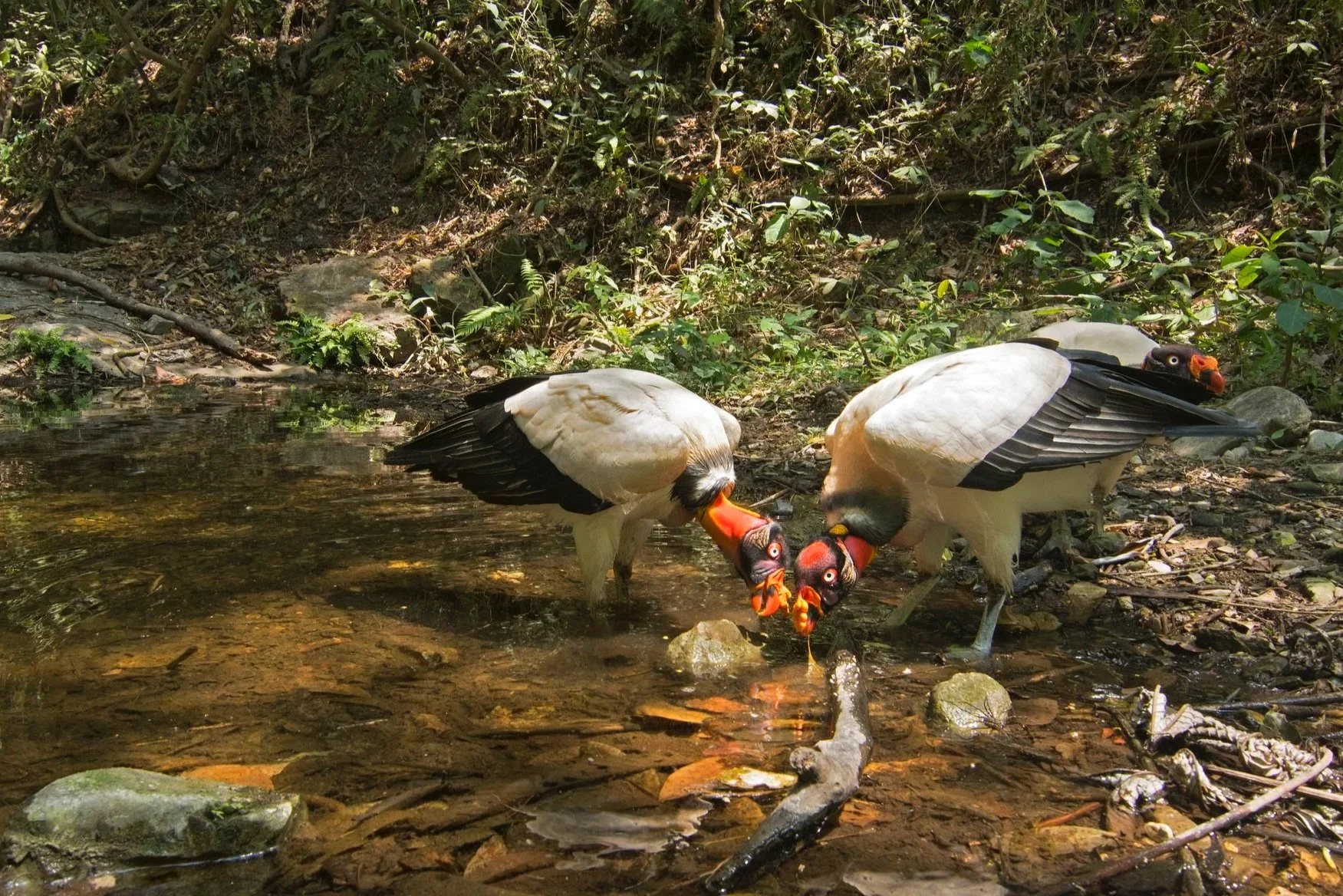
Highlights: King Vultures, Hawks such as Gray-backed Hawk, Ecuadorian Piculet and Trogon, White-tailed Jay, Collared Antshrike, Esmeralda Woodstar and many more.
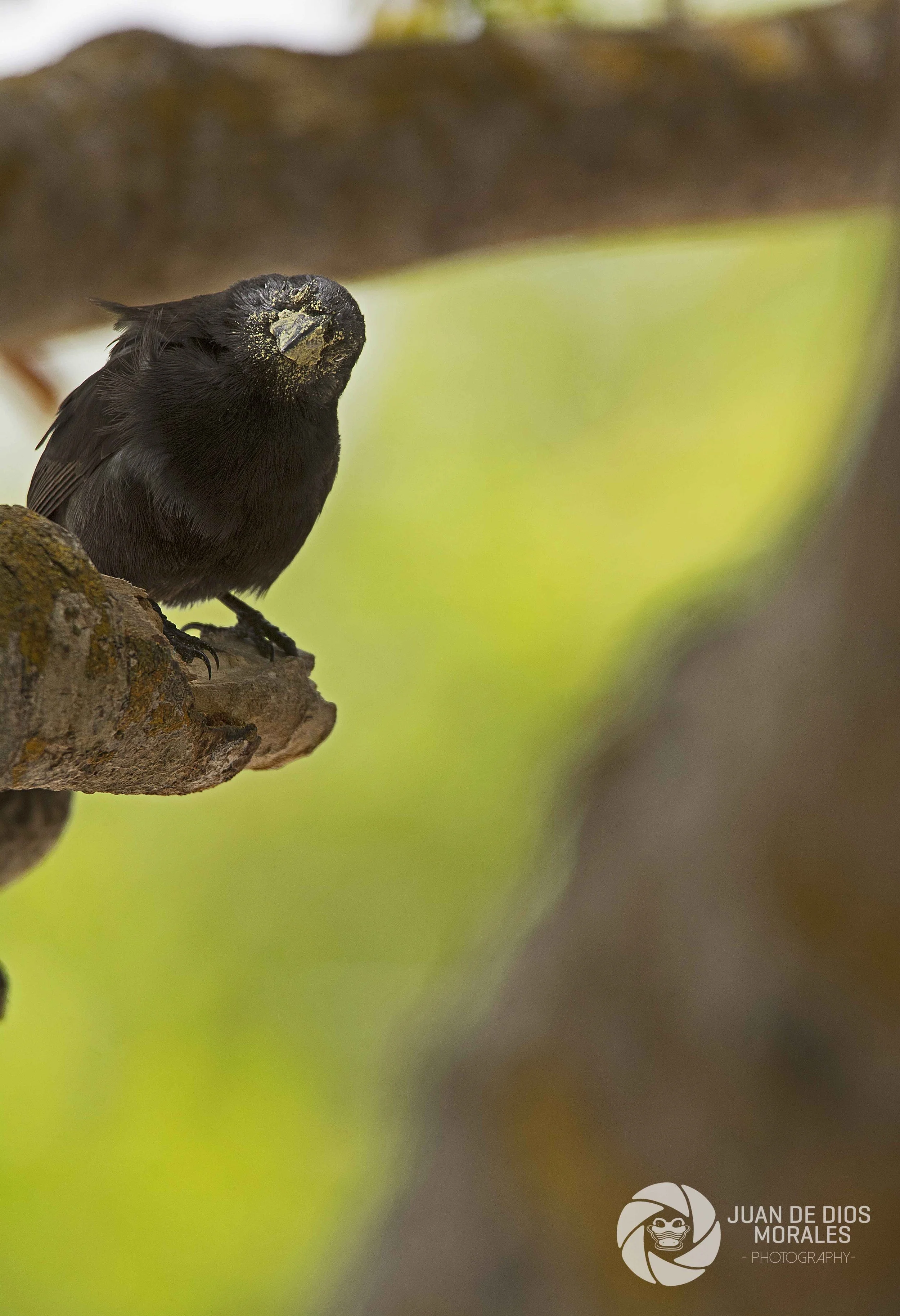
The Galapagos Islands are also influenced by this transition. Darwin Finches, Galapagos Mockingbirds, and Flycatchers get prepared to receive the rainy days full of food sources for their future generations.
Sea Birds Peak Season
Birding for Sea Birds, on the other hand, is synergistically intertwined with the cold, nutrient-rich Humboldt Current, which brings dry season on land.
We have identified that Sea Birds birding runs better from May to August when dancing and eloquent displays sprout and mating season flourishes.
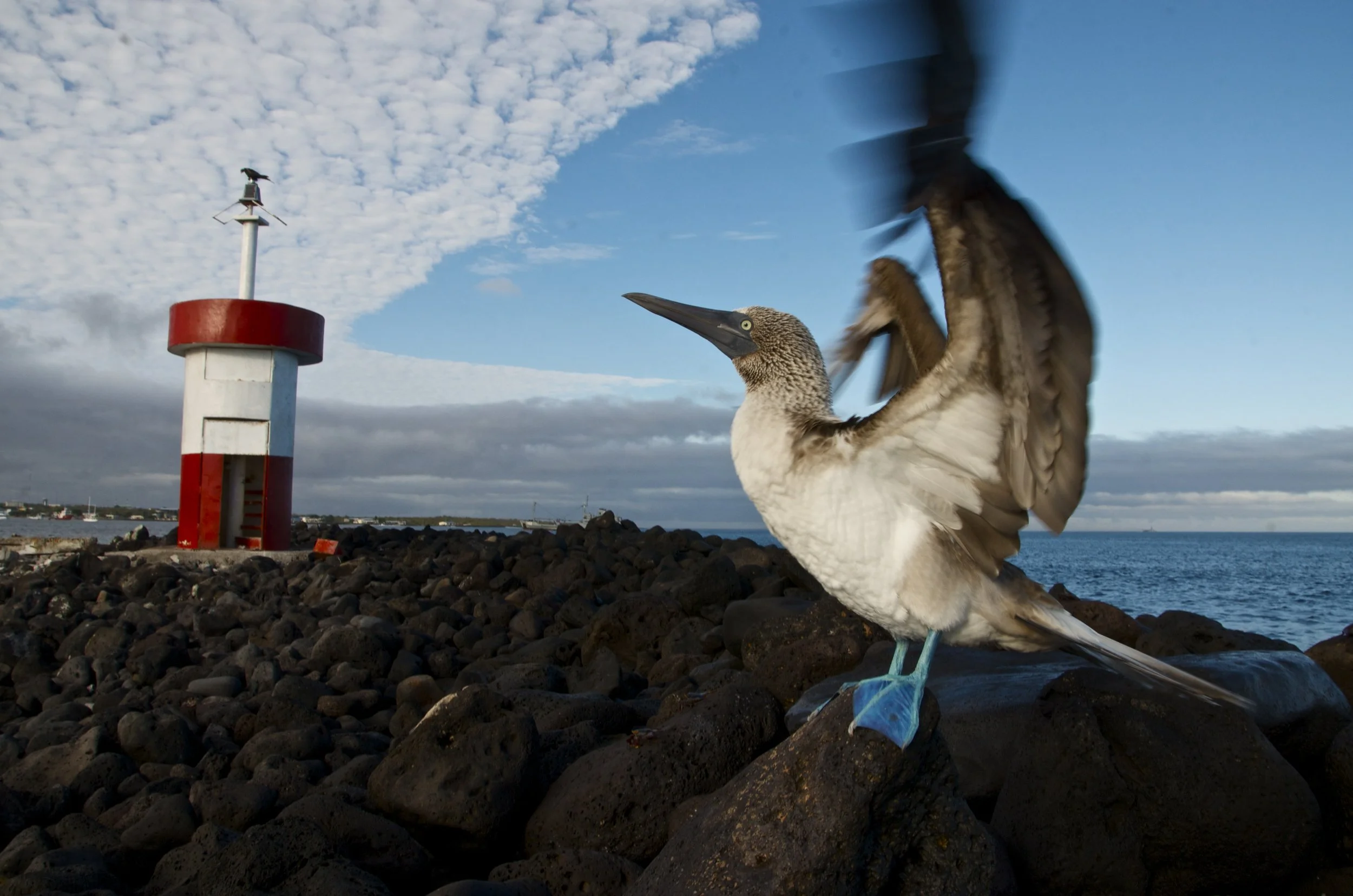
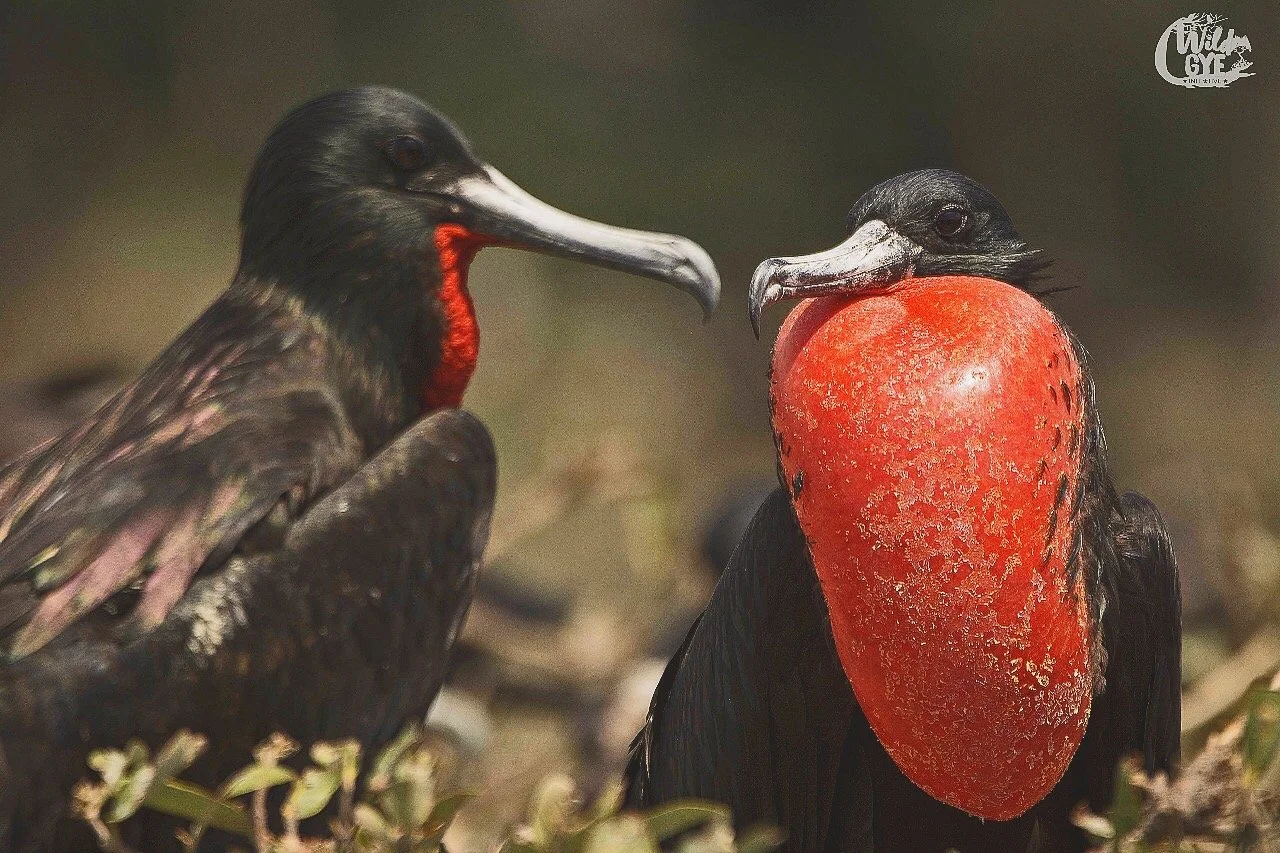
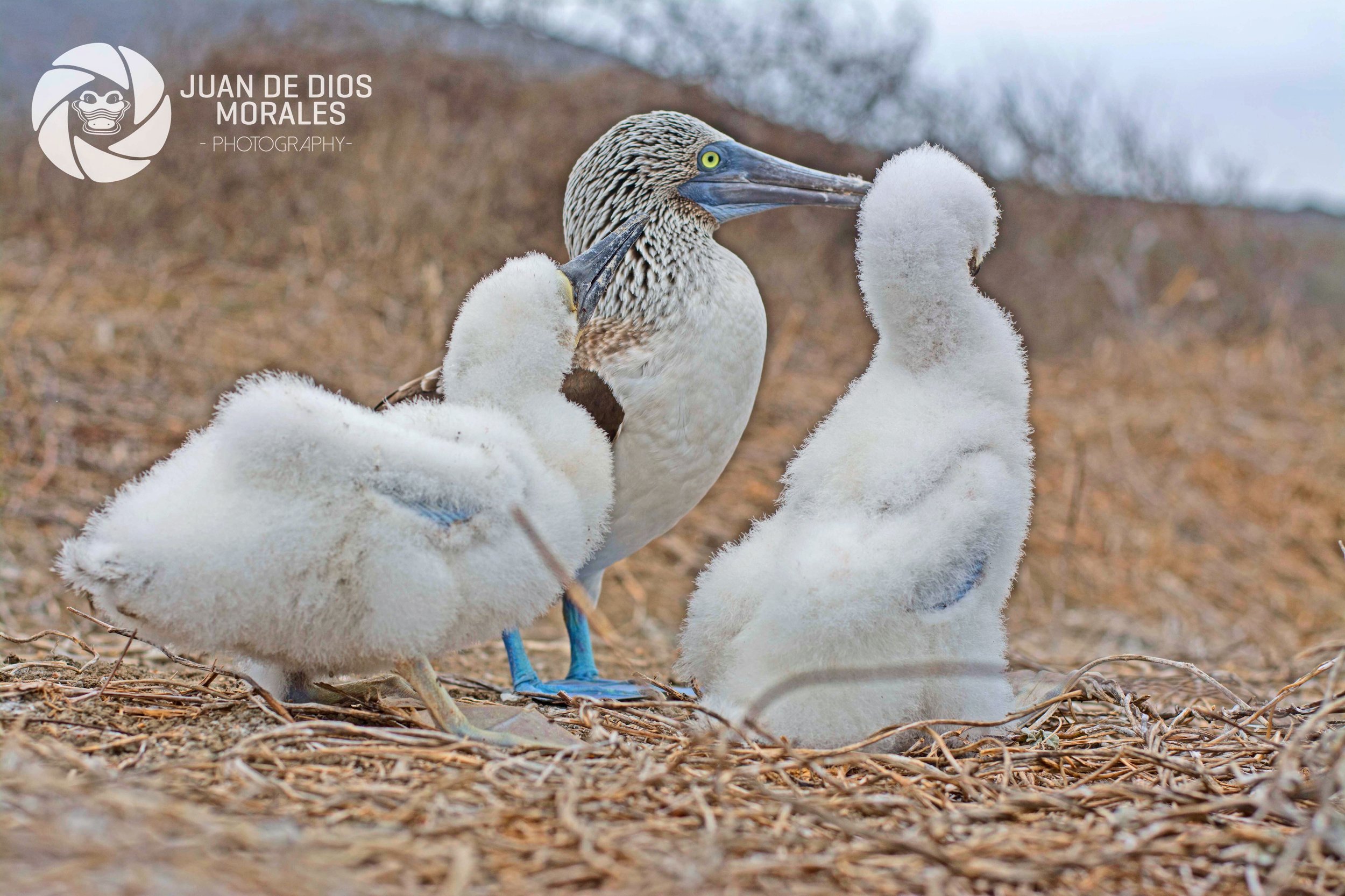
Therefore, in both Coastal Ecuador and the Galapagos, species such as the Waved Albatross, the Blue and Red Boobies, plus the Galapagos Petrel and other birds such as the pirates of the sea, the Frigatebirds become the main attraction.
Highlights: Waved Albatross, Great Frigatebirds, Blue-footed, Red-footed Boobies, Nazca Boobies, Galapagos Petrels, Lava Gulls.
Who is this adventure for?

-
Birding is a fun and challenging activity; however, we have designed our adventures for those LIFERS maniacs to those Bird Lovers.
-
Birdlife Photography its full of patience and long-term understanding of individuals of targeted bird species.
We can assist you in making your photographic adventure worth living.
-
Birding is always fun, and even more fun in Ecuador. We have a great opportunity for you to step in smoothly into this fantastic and rewarding activity.
No worries we got your back too!!